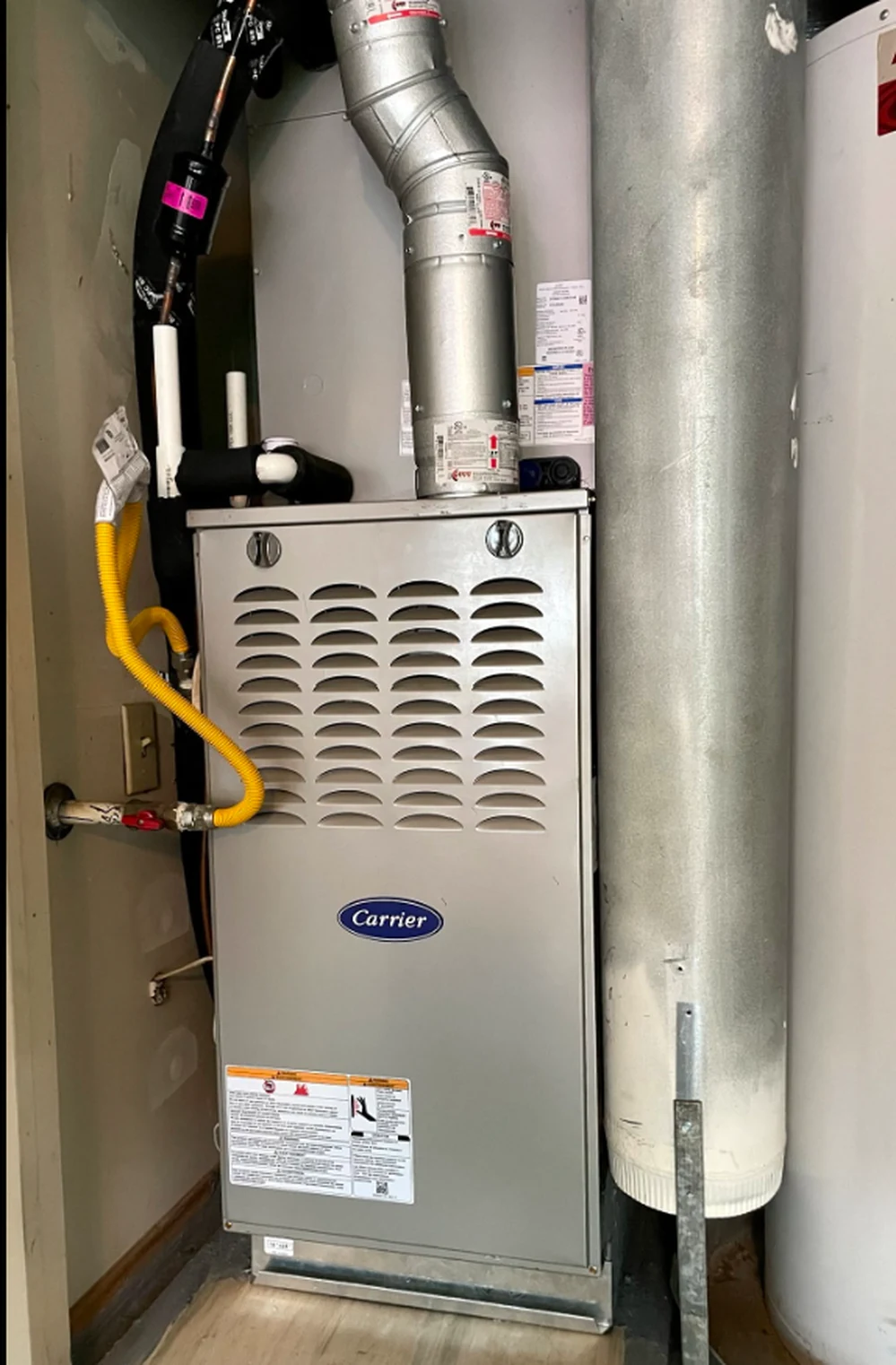

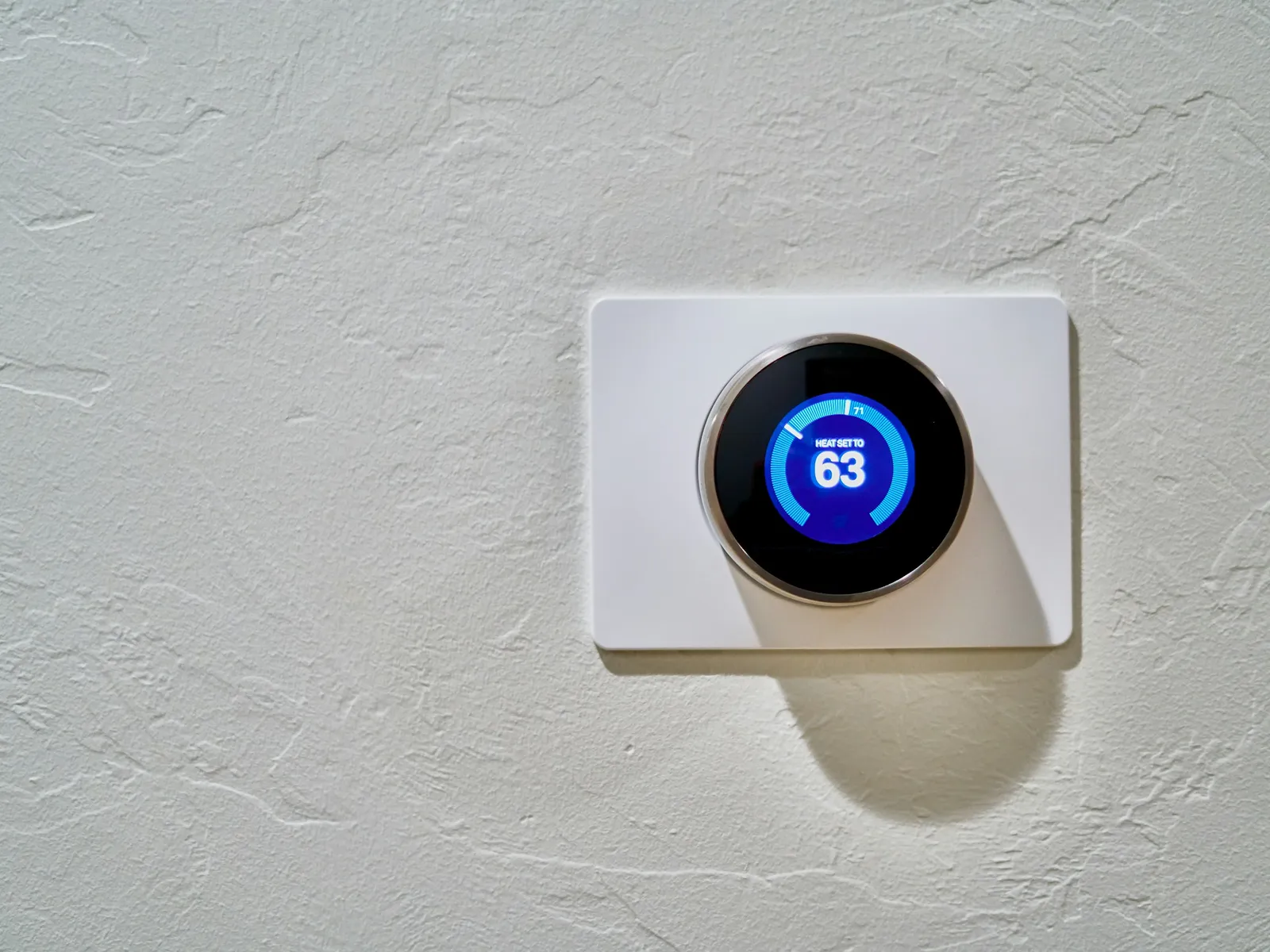
The first cool morning of fall rolls into Buda, someone flips the thermostat over to heat, and a few minutes later the house smells like something is burning. Most of the time that smell is harmless and gone within the hour. Sometimes it isn't. Here's how we tell the difference, and what you can safely check before you pick up the phone.
That First-Run Burning Smell Is Usually Dust
Your heating system has been sitting idle since last winter. All summer, a thin layer of dust settles on the heat exchanger or the electric heat strips. The first time they warm up, that dust burns off, and you smell it through the vents.
This one is normal. It should fade within the first hour or so of running. Open a window if it bothers you and let the system run. If the smell is still strong the next day, or it gets worse instead of better, that's a reason to have it looked at.
Smells That Mean Stop and Call
Rotten eggs or sulfur
Natural gas has no smell on its own, so an odorant is added to make leaks easy to notice. The Railroad Commission of Texas describes it as smelling similar to rotten eggs. If you have a gas furnace or other gas appliances and catch that smell, the Commission says to leave the area immediately, not to turn on any lights or appliances or use your phone inside, and to call for help from a neighbor's phone. Don't go looking for the leak yourself. Get everyone out first.
Hot electrical or burning plastic
This smell is sharper than dust, more like an overheated cord. It can point to a motor running too hot or wiring that's starting to fail. Turn the system off at the thermostat. If the smell is strong, switch off the breaker for your HVAC too, then give us a call.
Musty or mildew
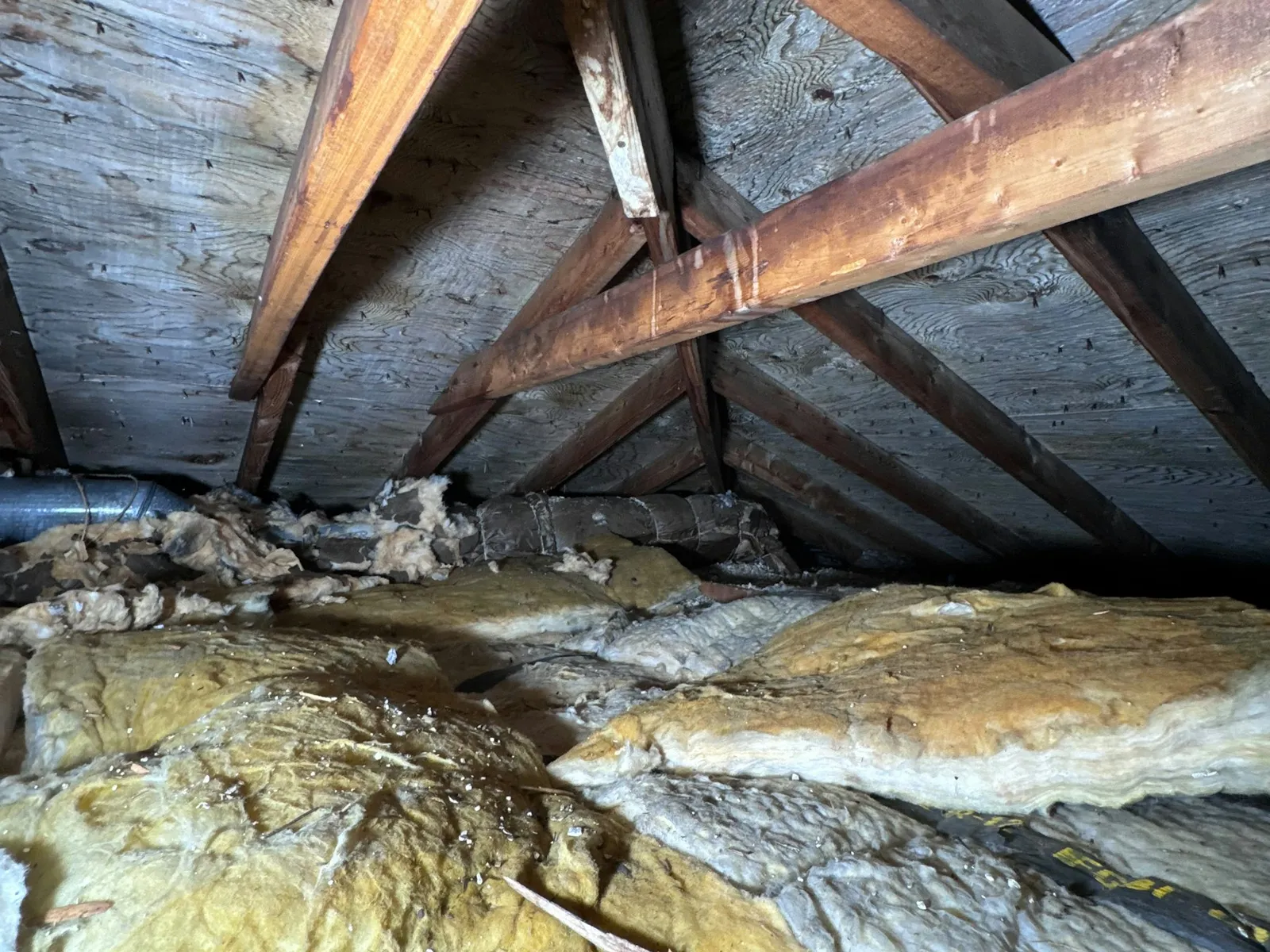
A damp, stale smell usually means moisture is sitting somewhere it shouldn't: in the ductwork, around the drain pan, or on the indoor coil. It isn't an emergency, but it's worth tracking down before it turns into an indoor air problem.
Something died
It happens more often than you'd think. Mice and other critters look for warm places once the nights cool off, and some of them end up in a duct or near the return. If a foul smell comes through only one or two vents, that's a good clue to where the problem is.
Quick Checks Before You Call
A few things are safe for any homeowner to look at.
Check the air filter
After a long Central Texas cooling season, the filter may be packed with dust. A clogged filter cuts airflow and can make that first-run smell linger. If you can't see light through it, swap it out.
Look at what's near the vents
Curtains, toys or a stray sock sitting on a floor register get warm fast once the heat is running. Clear some space around supply vents and the return grille.
Notice where and when you smell it
Is it in every room or just one? Only when the heat first kicks on, or the whole time it runs? Jot that down. It helps whoever comes out narrow things down faster.
Test the carbon monoxide alarm
If your home has gas appliances, make sure the CO alarm works and has fresh batteries. Carbon monoxide has no smell at all, so your nose won't warn you about it.
Why Fall Maintenance Heads Off Most of This
A heating check before the first real cold front means the system gets cleaned and looked over before you're counting on it. A technician can spot a dusty heat exchanger, a slow drain or a motor that's wearing out while it's still a small fix. That's the idea behind our maintenance plans: catching problems on a calm day instead of the first cold night of the year.
Let Creative Comfort Solutions Track Down That Smell
If the smell isn't fading, or it's anything other than a little burning dust, call or text us at (512) 757-2366. Our $85 service call gets a technician out to find the source and walk you through what it will take to fix. We work in Buda, Kyle, San Marcos, South Austin, Manchaca, Dripping Springs, Wimberley, Lockhart and across Hays County. And if you ever smell gas, get outside and call for help first. We'll be here once everyone is safe.