
It's October in Central Texas, and the AC is still running every afternoon. If one bedroom stays warm no matter where you set the thermostat, or a room over the garage never catches up, the AC itself may be fine. Very often the trouble is in the ductwork that carries the cold air to that room. Here's what we look for, and what you can check on your own.
The Air Has to Get There First
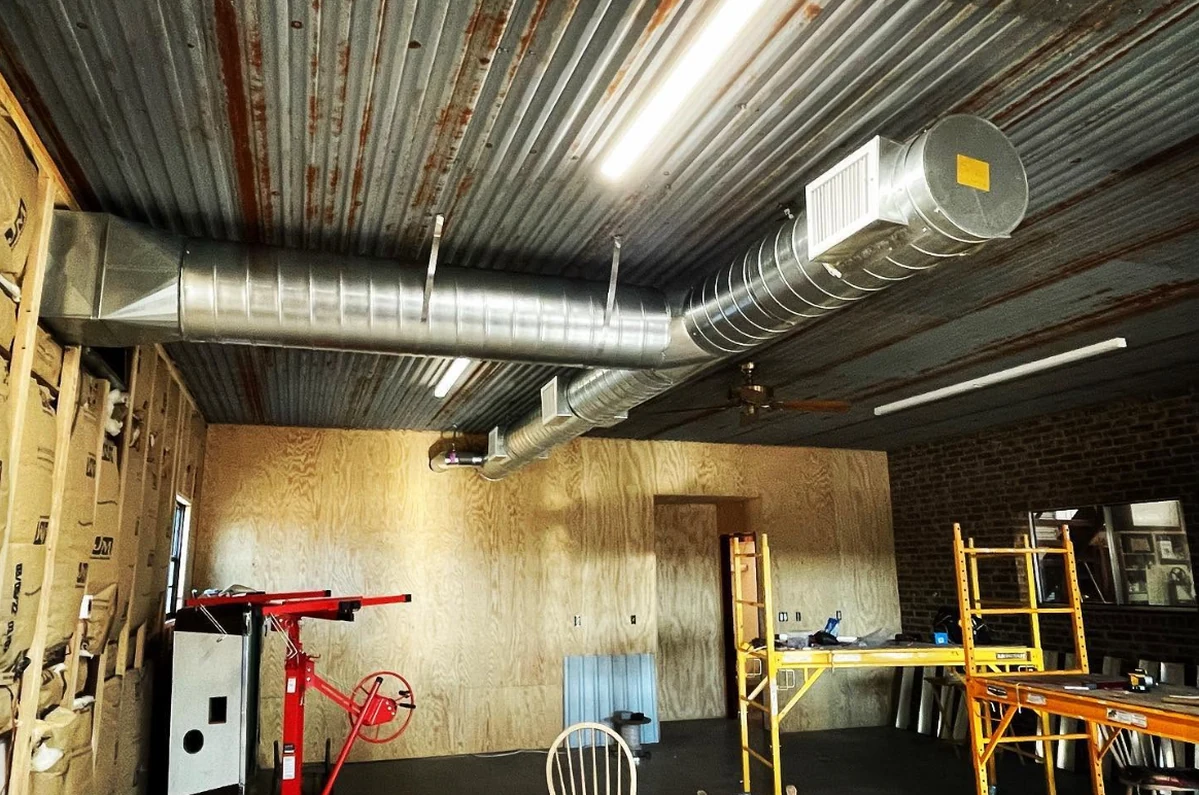
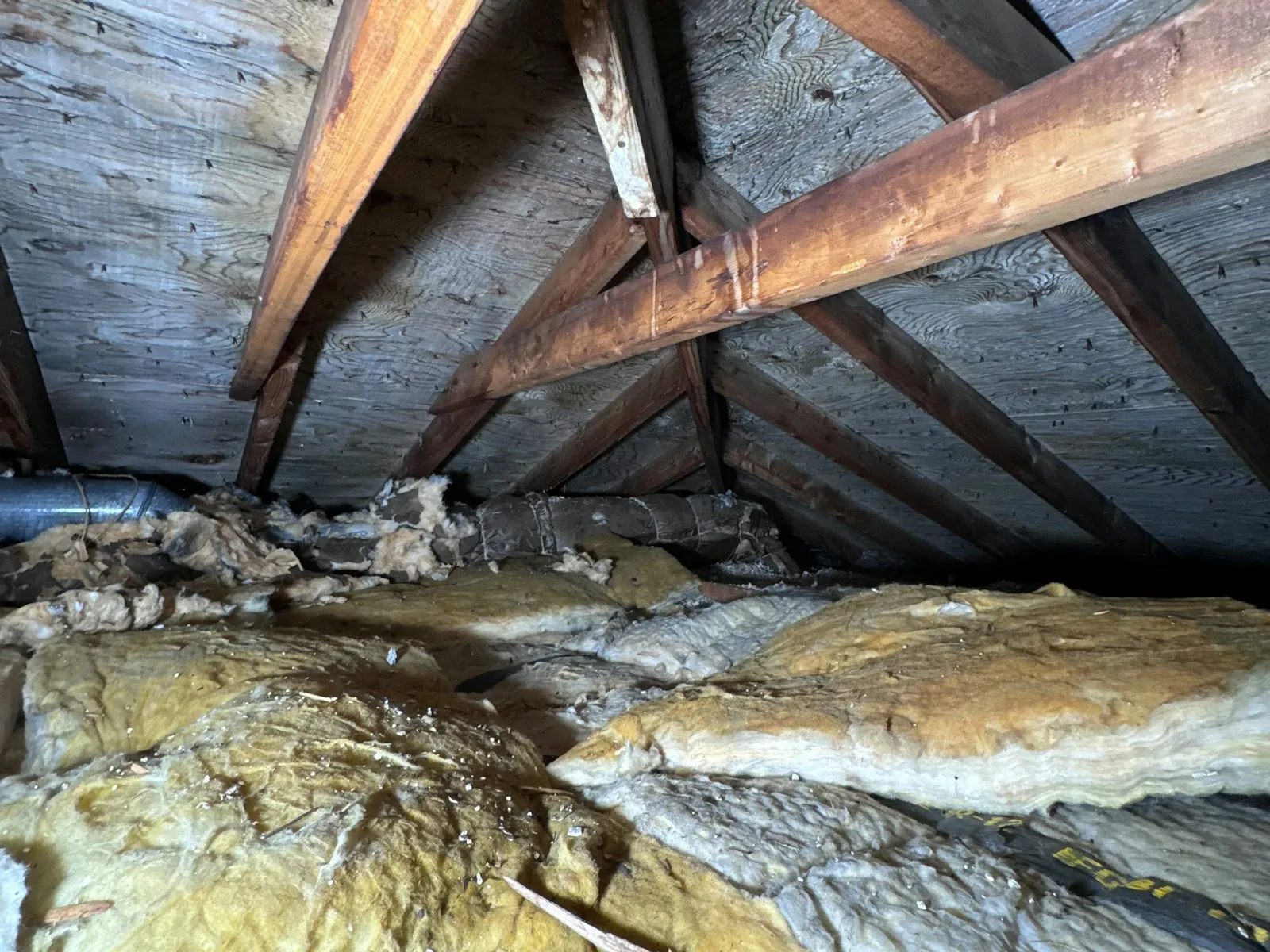
Your AC cools air at the indoor coil, and the blower pushes it through a network of ducts to every room. In most homes around Buda and Kyle, those ducts run through the attic. On a 90-degree afternoon, the attic gets far hotter than the air outside. Any gap, loose joint or crushed section in that run lets cooled air escape into the hottest part of the house before it ever reaches you.
How Much Air Leaky Ducts Lose
More than most people expect. According to ENERGY STAR, in typical homes about 20 to 30 percent of the air moving through the duct system is lost to leaks, holes, and poorly installed ducts. That's cooling you already paid for, dumped into the attic. The rooms at the end of the longest duct runs usually feel it first.
Signs Your Ducts Might Be the Problem
One or two rooms are always warmer
If the same rooms lag behind every summer and sit farthest from the air handler, air headed their way may be leaking along the route.
Weak airflow at certain vents
Hold your hand up to each supply vent with the AC running. A vent that barely pushes air compared to the others is worth a closer look.
The AC runs and runs
When a good share of the cold air never reaches the living space, the system has to run longer to bring the house down to the set temperature.
A dusty house
ENERGY STAR lists a dusty house as one sign of a duct problem. Leaks on the return side can pull dusty attic air into the system and spread it through your rooms.
Power bills that keep creeping up
Higher bills with no change in how you use the house are another sign ENERGY STAR points to.
What You Can Check Yourself
Start simple. Make sure every supply vent is open, and that furniture, rugs and curtains aren't blocking vents or return grilles. Change the air filter if it's due. A clogged filter cuts airflow to the whole house, and the far rooms notice it first.
If you can get into your attic safely, go up in the cool of the morning and take a look with a flashlight. You're looking for ducts that are disconnected, crushed, sagging or torn. Stay on the joists, and skip this step entirely in the afternoon heat.
One thing we'd steer you away from: closing a bunch of vents to push more air into the warm room. Your system is built to move a set amount of air, and choking off vents can make it work harder without fixing the real problem.
Why Fall Is a Good Time to Look
Nobody wants a technician crawling around a Texas attic in August. Early fall is a lot more workable, and your AC still has weeks of work ahead of it. The same ducts carry warm air in winter too, so a fix now pays off when the heat finally does come on.
When It's Bigger Than the Ductwork
Sometimes an uneven house comes down to a system that was sized wrong for the home, or one that's simply near the end of its life. If your equipment is older and the ducts are in rough shape, it can make sense to look at both together. We offer free, no-obligation estimates on system installations and replacements, and financing is available.
Let Creative Comfort Solutions Find Where Your Air Is Going
If you've got a room that never cools, call or text us at (512) 757-2366. Our $85 service call gets a technician out to inspect your system and find where the air is going. We work throughout Buda, Kyle, San Marcos, South Austin, Dripping Springs and the rest of Hays County. While we're there, ask about our maintenance plans to keep the whole system in shape year round.